Photo by Navy Petty Officer 2nd Class Dominique A. Pineiro; CC-BY 2.0
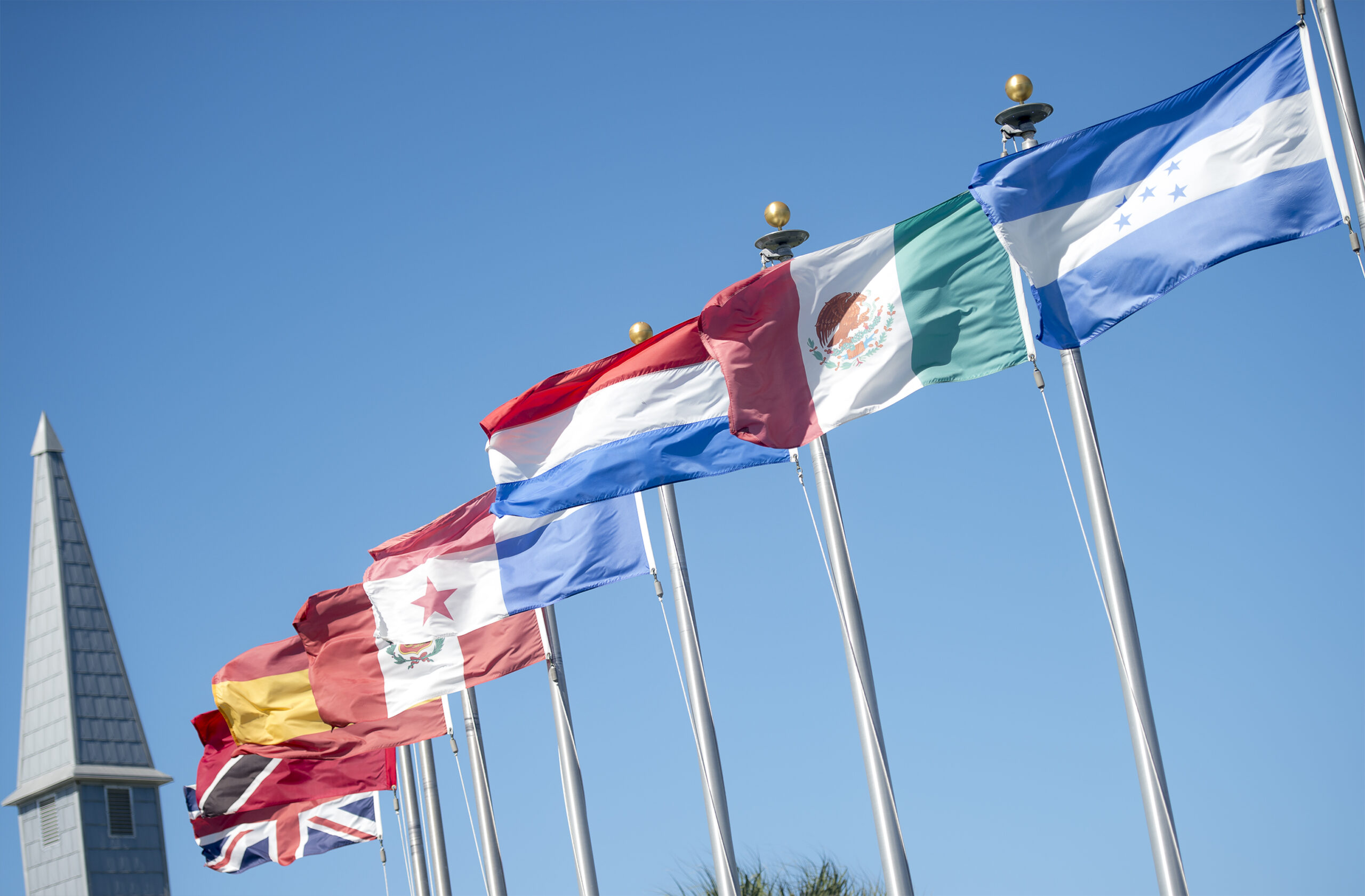
On May 20, 2025, the Pandemic Agreement was adopted by Member States at the World Health Assembly.1 This Agreement ended over three years of discussions regarding how to respond to future outbreaks, which were brought to light by the COVID-19 pandemic.1 Member States voted to approve the Agreement, in which 124 voted in favor, no countries objected, and 11 abstained.1
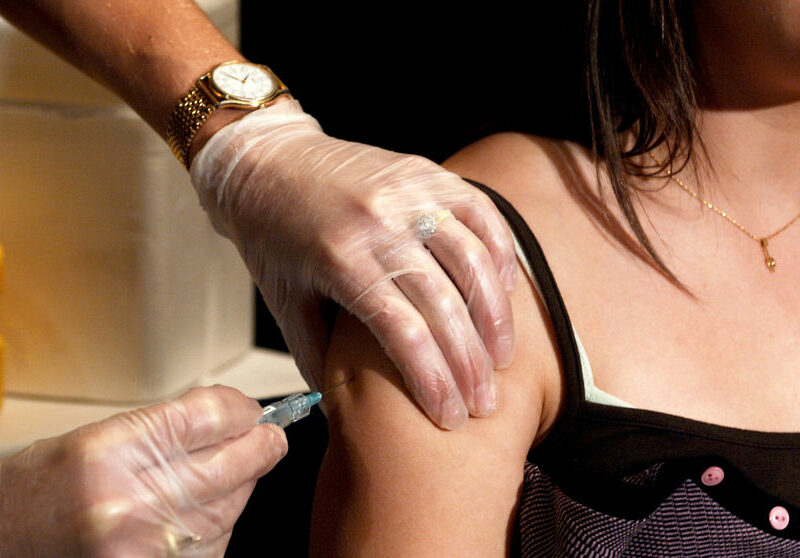
The Pandemic Agreement centers around increased international coordination to prevent and respond to pandemics.1 A major focus of the Agreement is ensuring an equity-based approach. This includes increasing the accessibility of timely and affordable vaccines, therapeutics, and diagnostics globally.1 The COVID-19 pandemic illuminated inequities around the world, which in turn exacerbated the devastating impacts of the outbreak.1 Notably, wealthier countries have received the majority of COVID-19 vaccine doses.2 As of July 2023, 75% and 79% of individuals in high-income and upper-middle-income countries, respectively, have been fully vaccinated against COVID-19. In contrast, the vaccination rates in lower-middle-income and low-income countries are much lower at 59% and 27%, respectively.3 The disproportionate distribution of vaccines has had negative impacts, especially in countries with low vaccination rates, leading to preventable illnesses and deaths, economic implications, and educational setbacks for children.3 The Pandemic Agreement aims to decrease barriers to resources in low-income countries and increase the equitable distribution of life-saving pandemic products.4 The Agreement includes participating pharmaceutical manufacturers in their plan to increase access to vaccines, therapeutics, and diagnostics. These companies will devote 20% of their production to health products in response to a pandemic.1 These products will be distributed based on risk and need, with special consideration for developing countries.1
However, the details surrounding how wealthier countries will contribute shares of vaccines, therapeutics, and diagnostics and the technology used to make them have yet to be decided.5 Additionally, questions remain regarding the impact of the United States’ intent to withdraw from the World Health Organization.5 The U.S. has historically been the biggest funder of the WHO, and the implications of the country’s absence are unclear.5
Next steps for the Pandemic Agreement will happen over the next year. First, the process to draft and negotiate a Pathogen Access and Benefit Sharing system (PABS) will begin, and it will be considered at the World Health Assembly meeting in 2026.4 Once PABS is adopted as an annex, the Agreement can be signed and ratified by Member States.4 60 ratifications are needed for the Agreement to enter into force.4
The Pandemic Agreement marks a significant step towards the coordinated prevention, preparation, and response to future pandemics. This decision has the potential to reduce the morbidity and mortality associated with outbreaks, especially in countries that historically have had a disproportionate burden of disease. The Agreement is a clear example of the importance of collaboration and equity in health-based decisions while implementing lessons learned from past pandemics.
- https://www.who.int/news/item/20-05-2025-world-health-assembly-adopts-historic-pandemic-agreement-to-make-the-world-more-equitable-and-safer-from-future-pandemics
- https://pmc.ncbi.nlm.nih.gov/articles/PMC8252691/#:~:text=In%20fact%2C%2080%%20of%20the%20population%20only,for%20around%2095%%20of%20the%20COVID%2D19%20vaccines.&text=COVID%2D19%20vaccine%20distribution%20is%20substantially%20unequal%2C%20and,acquired%20and%20administered%20in%20the%20wealthiest%20countries
- https://pmc.ncbi.nlm.nih.gov/articles/PMC11136847/
- https://news.un.org/en/story/2025/05/1163451
- https://www.npr.org/sections/goats-and-soda/2025/05/20/g-s1-67867/pandemic-treaty-covid-world-health-organization